250 kW Biogas and Natural Gas Generator Set — AP-250NG
The workhorse node for municipal and agricultural work: a 250 kW gas genset sized for wastewater treatment plants, farm digesters and landfill gas sites, where the gas is produced on site and the load runs for most of the year.
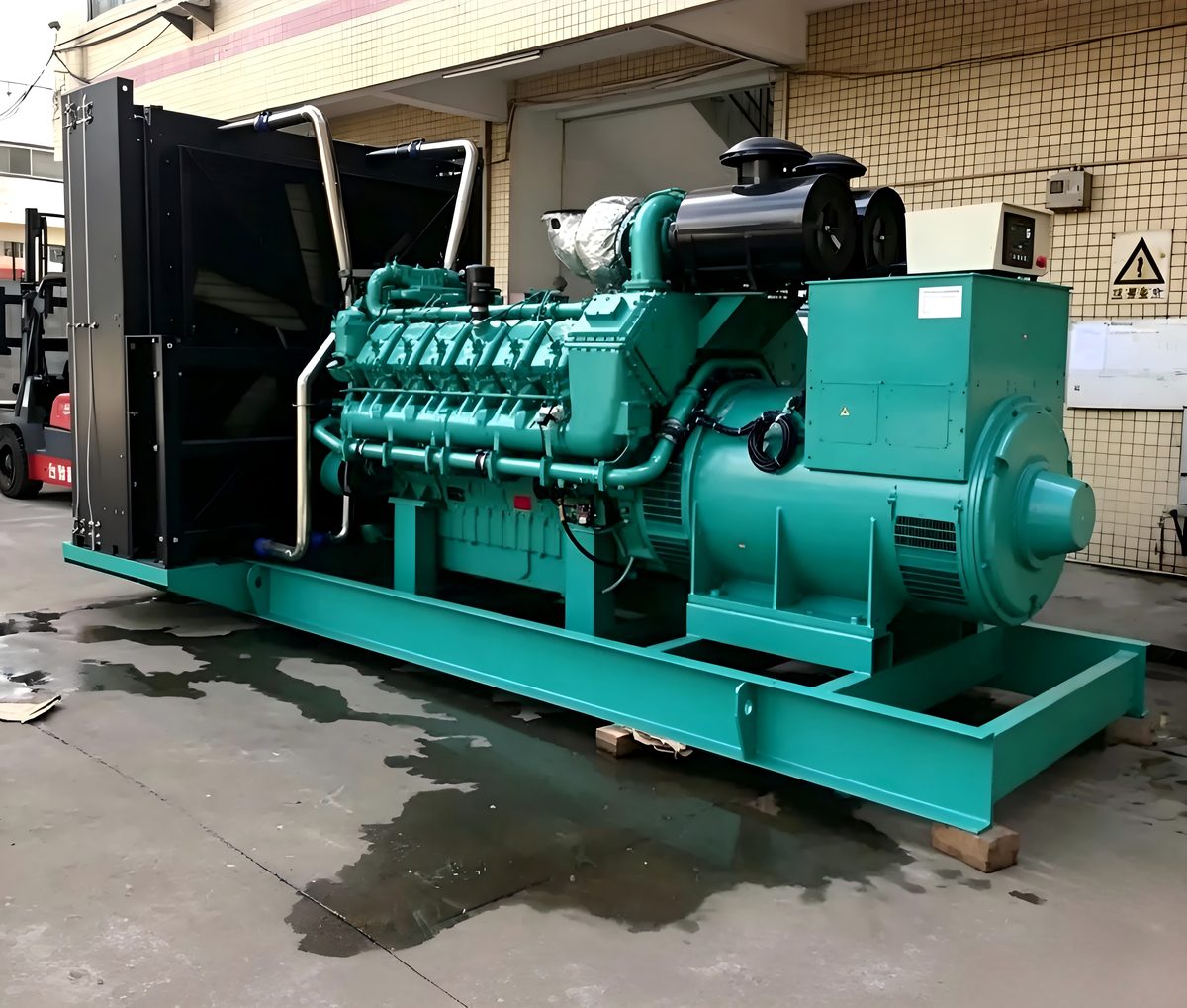
Overview
The AP-250NG sits at the point where a site has outgrown a small digester genset but does not need a full power plant. Typical duties are driving aeration pumps and lagoon mixers at a wastewater plant, replacing a diesel genset at a farm digester, or covering base load where landfill gas is available and flaring is being avoided.
Biogas at this scale is a genuine engineering problem rather than a fuel choice. H₂S corrodes cylinder heads and valves, moisture destabilizes the charge, and low methane content reduces output — each of which lowers the usable power from the same nameplate rating. The correct answer is a sized treatment package and a derated rating, and both depend on your gas analysis. We scope that before the quotation so the number you receive is a number the unit will actually deliver on your fuel.
Technical Data
| Rated power (prime) | 250 kW / 312.5 kVA |
|---|---|
| Standby overload | 275 kW (10%, 1 h in 12 h) |
| Electrical efficiency | 38–41% (stated per project with guarantee value) |
| Frequency | 50 Hz or 60 Hz |
| Output voltage | 400 V |
| Rated speed | To be confirmed per engine selection |
| Governor | Electronic, isochronous load sharing option |
| Starting | 24 V DC electric |
| Overhaul interval | 60,000 h |
| Fuel gas pressure | To be confirmed per gas train |
| Cooling | Radiator / remote radiator |
| Paralleling | Up to 32 units |
Configurations
Open skid Silent canopy 20 ft / 40 ft container Biogas desulfurization package Remote radiator Paralleling
FAQ
What methane content does the AP-250NG need?
It depends on whether you want rated power or derated power on your gas. Higher methane content gives output closer to the nameplate; lower methane content, common in farm digesters, requires derating. Send your gas analysis with LHV, CH₄ percentage, H₂S and pressure, and we will state the guaranteed continuous rating on that specific fuel.
How much gas treatment is needed for biogas?
Scope depends on H₂S concentration and moisture. Desulfurization, dehumidification and pressure regulation are sized as a package matched to your substrate and digestor output profile. We include the treatment scope in the quotation rather than leaving it to be discovered after order.
Can it replace a diesel genset on a wastewater plant?
That is the most common application for this node. It removes diesel fuel cost and logisties from a site that already produces its own gas. The transition needs to be planned against your aeration load profile and any grid dependency, which we can work through with your engineering team before order.
What is the lead time?
Typical production lead time is 30–50 days depending on configuration and gas treatment scope, plus shipping. Contact us for a current commitment date for your configuration.