50 kW Natural Gas Generator Set — AP-50NG
The entry point of our range: a compact 50 kW gas genset for farms, workshops, small industrial sites and backup duties where the grid is weak, expensive or absent. Configured to your gas analysis before it is built.
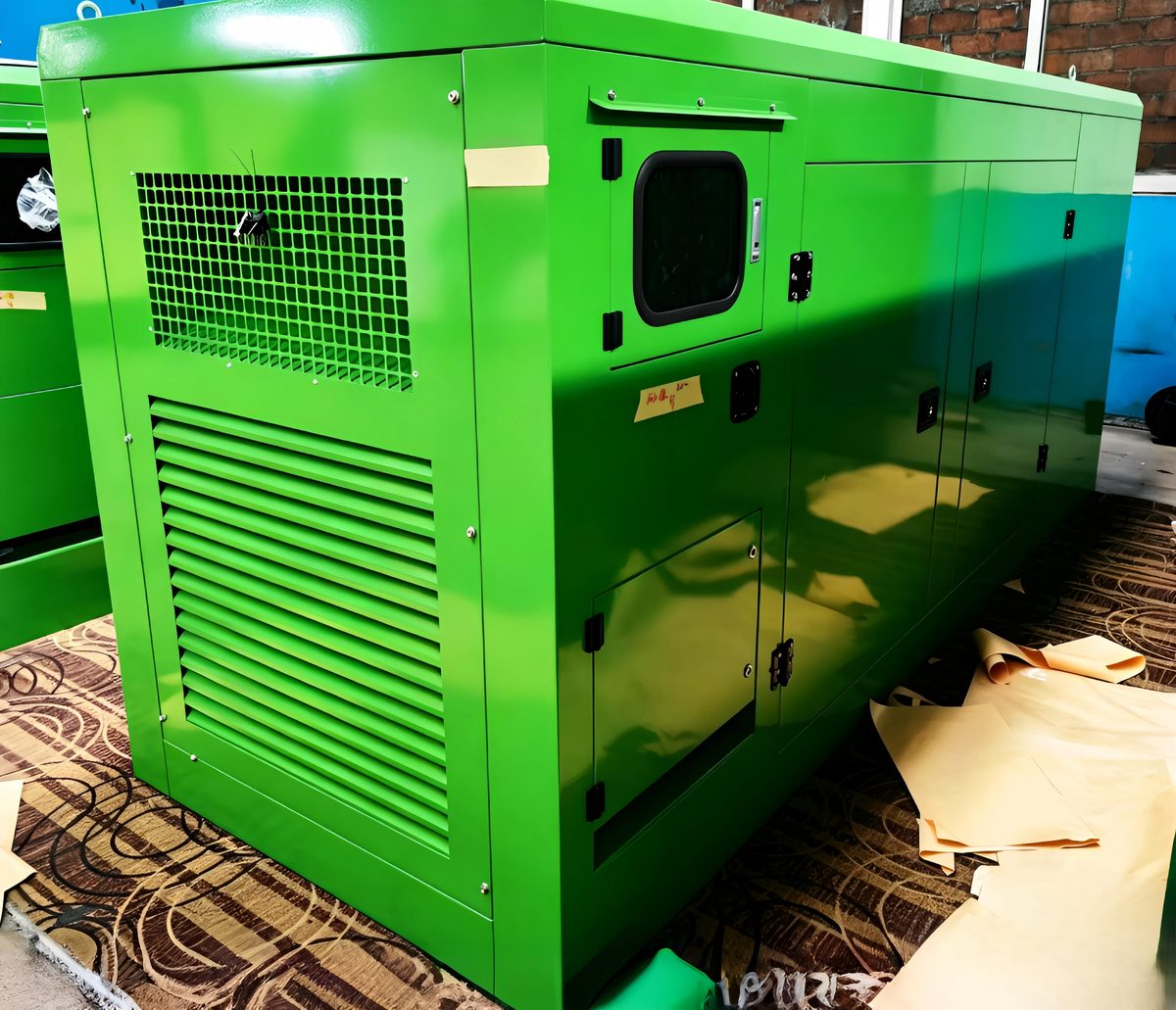
Overview
The AP-50NG is built where a small site needs its own power and cannot justify a grid connection or a diesel genset. It runs on natural gas where pipeline gas is available, and on biogas from farm digesters, wastewater plants and landfill sites where the fuel is produced on the same property. The 400 V output suits standard three-phase distribution, and units can be paralleled when the load grows.
At this size the fuel question dominates the engineering decision: low methane content, high H₂S or high moisture in a farm digester gas will require a treatment package that changes the economics completely. We size that package against your actual gas analysis before quoting, not after.
Technical Data
| Rated power (prime) | 50 kW / 62.5 kVA |
|---|---|
| Standby overload | 55 kW (10%, 1 h in 12 h) |
| Electrical efficiency | 38–41% (stated per project with guarantee value) |
| Frequency | 50 Hz or 60 Hz |
| Output voltage | 400 V |
| Rated speed | To be confirmed per engine selection |
| Governor | Electronic, isochronous load sharing option |
| Starting | 24 V DC electric |
| Overhaul interval | 60,000 h |
| Fuel gas pressure | To be confirmed per gas train |
| Cooling | Radiator / remote radiator |
| Paralleling | Up to 32 units |
Configurations
Open skid Silent canopy Biogas treatment package Remote radiator Paralleling
FAQ
Can the AP-50NG run on farm biogas?
Yes, provided the gas is conditioned. Methane content, H₂S concentration, moisture and inlet pressure determine whether a desulfurization and dehumidification package is needed. Send your gas analysis and we will confirm the configuration and the guaranteed fuel consumption.
Is 50 kW enough for a farm or small workshop?
That depends on your motor load, not on the nameplate. Motors and refrigeration compressors draw far more than their rated running power at start-up. Send us your connected load and largest single starting motor, and we will size the unit and confirm the step-down sequence.
What is the lead time?
Typical production lead time is 25–45 days depending on configuration, plus shipping. Small units are usually the fastest to deliver in the range. Contact us for a current commitment date.
Can I add units later?
Yes. The platform is designed so a second or third unit can be added and paralleled with the first, so you can start with one machine and grow with the load instead of buying a larger unit up front.